Volume 21, Issue 2, May 31, 2026
|
Interview with Jamie Ferguson Grayson Towler
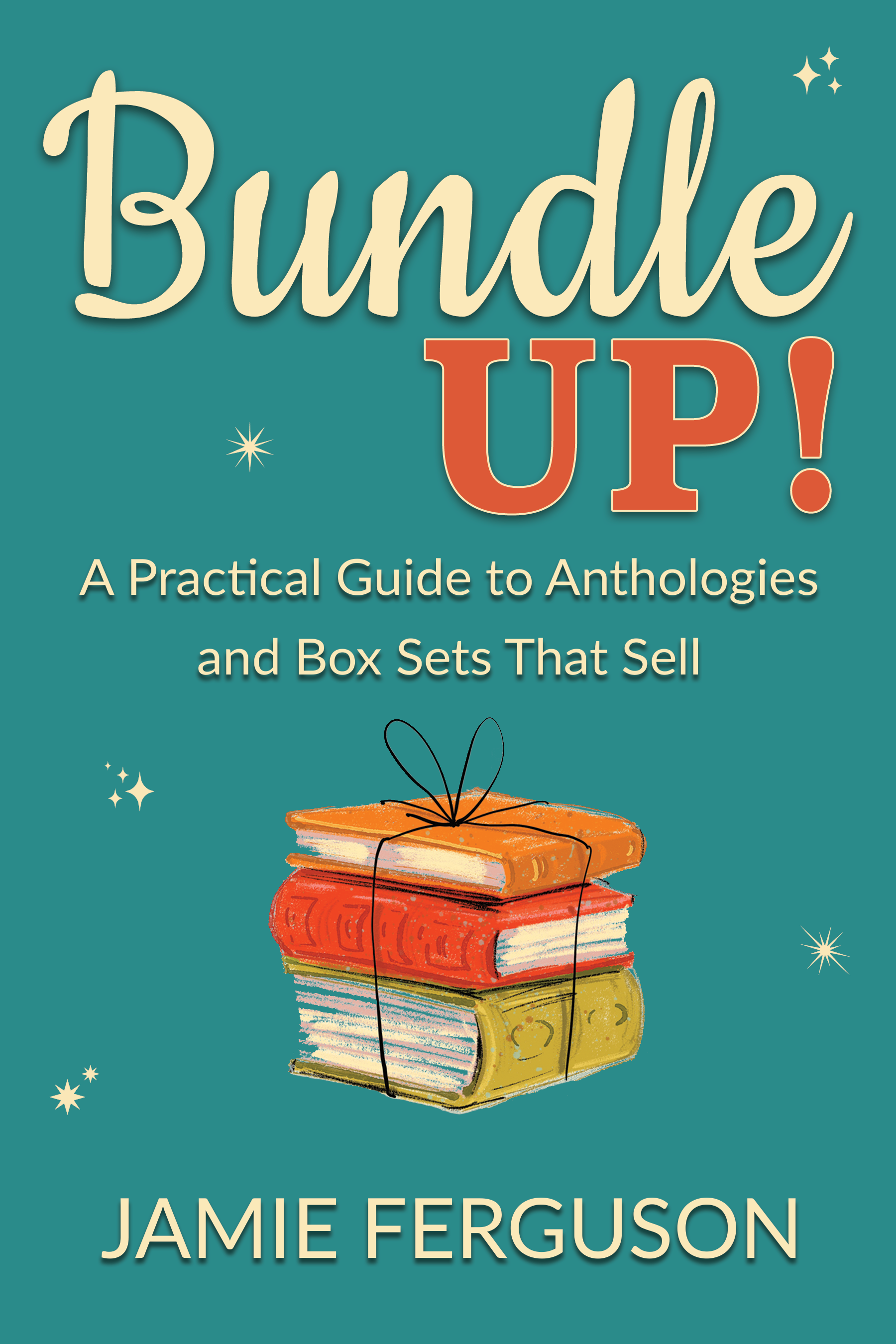
Jamie Ferguson is an author who's written about ghosts, clones, monsters, escape artists, mermaids, circus performers, mortals, immortals, and pretty much everything in between. In addition to her fiction, she has also produced an invaluable guide for any short story writer: Bundle Up! A Practical Guide to Anthologies and Box Sets That Sell. If you're thinking of collaborating with other authors on a project, contributing to an anthology, or even starting up a collection project of your own, this is a book created to help your project be more efficient and successful. Jamie, how'd you get involved in creating multi-author projects? In 2016, I went to WMG Publishing's Anthology Workshop in Lincoln City, Oregon. The participating authors wrote short stories ahead of time as submissions to six different anthologies, a panel of editors reviewed each story and provided feedback, and then the editor for the anthology would either buy or pass on the story and explain why they'd made their decision. One of the other authors in the workshop was Chuck Heintzelman, who mentioned he was about to launch a story-bundling website. After the workshop ended, I thought: I just met a lot of great authors; I wonder if any of them might be interested in participating if I put together a bundle on Chuck's site? Every author I invited to the first bundle said yes! I launched my first bundle, Fantasy in the City, on Chuck's new site, BundleRabbit (now called PubShare), that summer. (Note that PubShare no longer supports bundles, but they do support multi-author projects like anthologies.) I'm going to use 'bundle' as a general term, but are there notable differences between a bundle, an anthology, a collection, or other similar publications? A bundle is a collection of ebooks: non-fiction, short stories, novels, or a combination--which are sold as a single entity. For example, if you purchase a bundle of novels from StoryBundle, you'll get each ebook as a separate file for your e-reader, just as if you'd purchased them individually--but the overall bundle would cost less, and you'd probably have gotten some exclusive content that wasn't available anywhere else. Bundles are curated, not edited, which means the organizer hasn't necessarily read the books in the bundle. Bundles can last forever, but often are only available for a short time. On StoryBundle, for example, a bundle might be available for three weeks, or perhaps six weeks. But once a bundle ends, it's gone forever. An anthology is a collection of short stories, and sometimes novelettes or novellas. Unlike a bundle, the stories are packaged as a single book, and the book can be available indefinitely. Anthologies are sometimes curated, but that's pretty rare--usually one or more editors will select and edit the stories. From an author's point of view, is there a difference between submitting a story to a bundle vs. submitting to a magazine like Electric Spec? Yes. Bundles are invitation-only. There are also only two bundling sites I'm aware of right now: StoryBundle and Humble Bundle. Unlike bundles, magazines like Electric Spec allow anyone to submit and review submissions on their merit. Anthologies can be invitation-only, but often have open calls where you don't need to have a connection to the organizer. What are some of the most unexpected factors that authors run into while contributing to a bundle or an anthology? Promotion is absolutely the biggest unexpected factor. Authors participating in a multi-author project are generally expected to promote the project--but I've found most authors don't, at least initially, know how to do this. There are two main categories here: an author's public presence and what the author can/should do to promote the collection. Authors tend to be more savvy today, but when I put together my first bundle, a surprising number of them didn't understand how much their public persona impacts how people view their writing. I found authors with websites that didn't include their latest books, or where I wasn't able to figure out what their most recent publications were. Some websites looked fantastic, but a surprising number were disorganized and/or dated. Sometimes an author will have a great website and will have made sure their profiles on Goodreads, BookBub, etc., match their branding. Think of how you present your author persona as a potential factor in whether or not a market accepts your story. Sometimes your work will be accepted based on the writing itself, but I've absolutely seen authors get turned down because their websites looked sloppy and unprofessional. Once you're in a multi-author project, you need to figure out how to help promote it. This can feel daunting at first, but the important part is to figure out what works for you. You might share posts by the editor/curator, and/or write your own posts about the project. You could focus on promoting just your story, or go bigger and promote the collection itself. Sometimes authors will post about the other books or stories in the collection as well. Part of the advantage of being in a project like this is the collaborative effect of having multiple people promoting it, so I always encourage authors to do as much promotion as they feel comfortable doing. Is there anything else you want our readers to know about multi-author collections? Having stories published in anthologies or bundles gets your name in front of more readers than if you published a single collection of your own. The more ways there are for readers to find you, the better! And when multiple authors promote a collection together, that amplifies the effect for everyone involved. Is there a project we can look forward to seeing from you in the near future? Bundle Up! A Practical Guide to Anthologies and Box Sets That Sell is for sale at Amazon, coming a little later in June 2026 to other outlets. Get it here. Thanks a lot, Jamie! |